Overview
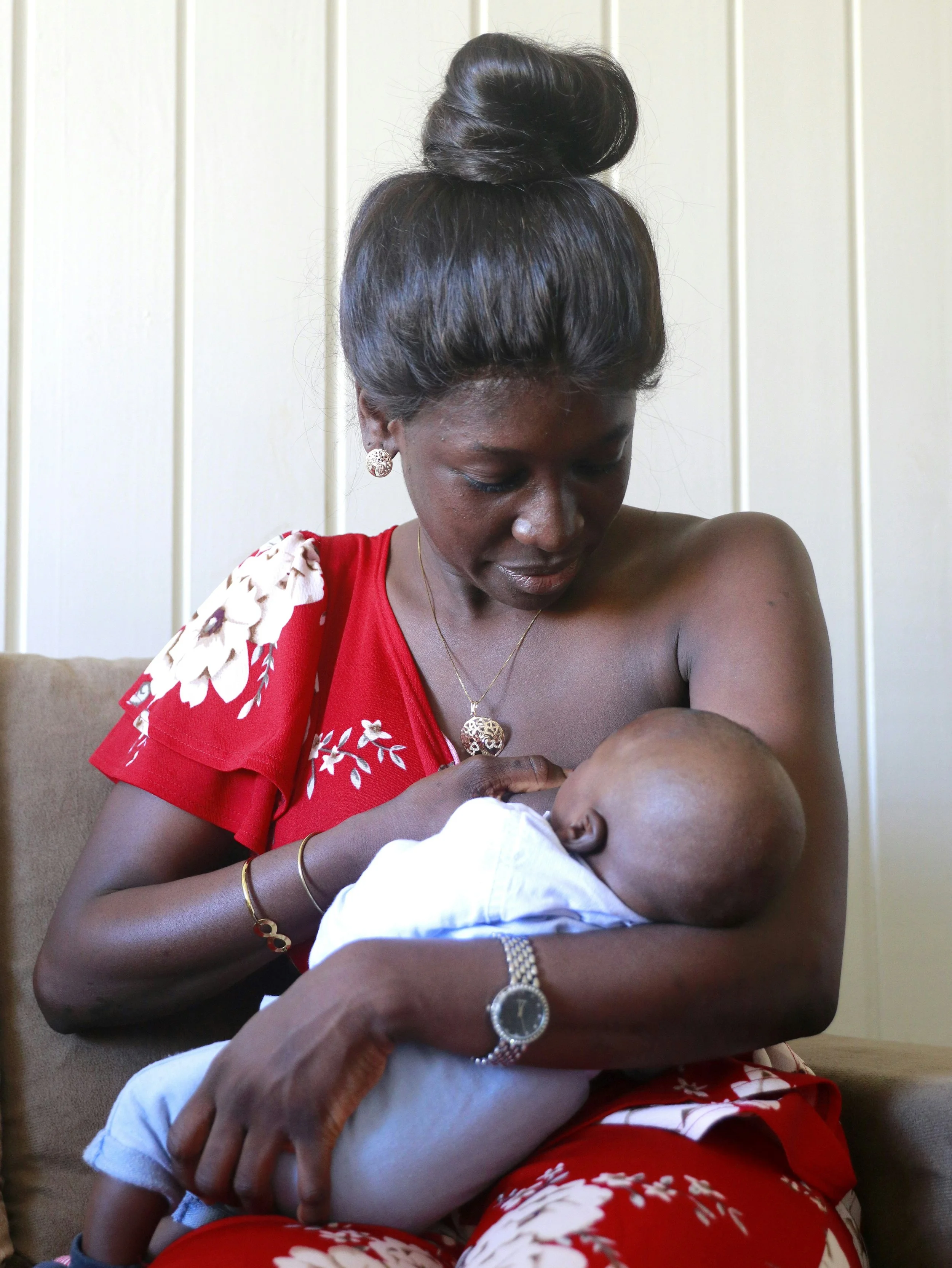
World Breastfeeding Week is observed every year from 1 to 7 August to raise awareness of the support, policies and investments needed to protect maternal and child health through breastfeeding. Breastfeeding protects children during the earliest and most vulnerable months of life. Breast milk provides essential nutrition and antibodies that help protect babies from diarrhoea, pneumonia and other common childhood illnesses. Its benefits can continue throughout childhood, with breastfed children facing lower risks of overweight, obesity and some chronic conditions.
Women also benefit. Breastfeeding is associated with lower risks of postpartum haemorrhage, breast and ovarian cancers, type 2 diabetes and heart disease. These health benefits make breastfeeding support an important part of maternal care, rather than an intervention focused solely on the baby. Breastfeeding outcomes are shaped by the conditions surrounding a woman. Skilled counselling, supportive health workers, maternity protection, suitable workplaces, reliable information and practical help from partners and families can all affect whether a mother is able to breastfeed for as long as she chooses.
Kenya has made considerable progress. Exclusive breastfeeding during the first six months rose from 13% in 2003 to 60% in 2022. However, the national rate has remained around 60% since 2014, showing that previous gains must be protected and strengthened. This World Breastfeeding Week toolkit is part of the broader #OnHerSide campaign, which calls for health systems, policies, workplaces and communities to support women and girls throughout their lives.
Being #OnHerSide means promoting breastfeeding without placing the full responsibility on mothers. It means ensuring that every woman receives accurate information, qualified counselling and practical support, while respecting her health circumstances and informed decisions.
This toolkit offers nine ready-to-use messages, each with a short version for X, a longer version for LinkedIn and Facebook, and accompanying graphic copy. The messages draw from three core asks.
1. Invest
Fund skilled counselling, health-worker training, maternity protection and breastfeeding-friendly health facilities, communities and workplaces.
2. Support
Give women consistent practical and emotional support during pregnancy, after childbirth and throughout their feeding journeys.
3. Protect
Safeguard families from misleading commercial influence and ensure that women can make informed decisions based on accurate, impartial information.
Campaign Essentials
Date: Saturday, 1 August 2026 - Friday, 7 August 2026
Primary hashtag:
#OnHerSide
#WorldBreastfeedingWeek
#WBW2026
Supporting Hashtags:
#MaternalHealth
#FamilyPlanning
#SafeMotherhood
#EWENE
Accounts to Tag:
Tagging partners and leaders extends reach
Ministry of Health, Kenya - @MOH_Kenya
Council of Governors - @KenyaGovernors
Frontier Counties Development Council (FCDC) - @FCDCKenya
Faith to Action Network - @FaithtoActionet
National Council for Population and Development (NCPD) - @NCPD_Kenya
UNFPA Kenya - @UNFPAKen
WHO Kenya - @WHOKenya
APHRC - @aphrc
Amref - @Amref_worldwide
UNICEF - @UNICEF
How to use this toolkit
Feel free to personalise each post i.e. add your organisation's voice, a local example or a short quote from a leader, and your logo on the graphics.
Keep #OnHerSide on every post so all partner activity is connected under the same campaign.
Pair each post with its graphic to improve reach and visibility.
Messages
General Posts

X/Twitter
#DYK < 1/2 of babies worldwide are exclusively breastfed during their first 6 months? This #WorldBreastfeedingWeek, being #OnHerSide means investing in skilled counselling, health services & practical support that help mothers breastfeed successfully. OnHerSideAfrica.com
LinkedIn/Facebook
Breastfeeding gives babies nutrition and antibodies that help protect them from diarrhoea, pneumonia and other common childhood illnesses. It also contributes to healthy growth and development during the earliest and most vulnerable stage of life.
Yet fewer than half of infants worldwide are exclusively breastfed during their first six months.
This gap cannot be addressed by placing greater pressure on mothers. Women need skilled counselling during pregnancy and after childbirth, health workers who can identify and address feeding difficulties, supportive workplaces and practical help at home.
This #WorldBreastfeedingWeek, being #OnHerSide means investing in the conditions that allow women to breastfeed successfully and for as long as they choose.
Breastfeeding support is an investment in mothers, children and the future of public health.

X/Twitter
Between 2003 & 2022, Kenya increased exclusive breastfeeding during the first 6 months by 47%, and has since stalled. This #WorldBreastfeedingWeek, being #OnHerSide means pushing for an enabling environment to increase life-saving practices. Curious? OnHerSideAfrica.com
LinkedIn/Facebook
Kenya has shown that sustained investment in breastfeeding support can change national health outcomes.
Exclusive breastfeeding during the first six months rose from 13% in 2003 to 60% in 2022. This progress has been supported by breastfeeding counselling, baby-friendly health facilities, community initiatives and legislation regulating the marketing of breast-milk substitutes.
However, the national rate has remained at approximately 60% since 2014.
The next phase of progress must reach mothers who still encounter limited counselling, delayed postnatal support, financial pressure, demanding working conditions and conflicting information.
This #WorldBreastfeedingWeek, being #OnHerSide means protecting Kenya’s gains and ensuring that every woman can access qualified support before and after she delivers.

X/Twitter
This #WorldBreastfeedingWeek, investing in counselling and breastfeeding-friendly services is sound health and economic policy. Curious? OnHerSideAfrica.com #OnHerSide
LinkedIn/Facebook
Investing in breastfeeding support delivers benefits across health systems, families and the economy.
In Kenya, the annual economic cost associated with inadequate breastfeeding is estimated at approximately US$737.6 million. This includes health consequences, preventable deaths and losses in future economic potential.
Governments can change this through sustained investment in skilled counselling, competent health workers, maternity protection, baby-friendly health facilities, community support and reliable monitoring.
This #WorldBreastfeedingWeek, being #OnHerSide means recognising breastfeeding support as essential public infrastructure.
Every mother should be able to access qualified help, and every county should have the people, policies and resources needed to provide it.