Overview
#OnHerSide is an Africa-wide campaign that mobilizes the voices of people and institutions willing to say that maternal, newborn and reproductive health must be visible, funded, respected and free from shame. Despite improvement in destigmatising sexual and reproductive health in Africa, conversations about pregnancy, contraception and women's bodies are still treated as private matters to whisper about, rather than public health priorities that deserve to be addressed by public actors such as the state. #OnHerSide pushes these issues into the open, backs them with data, and insists that every woman and girl has the right to make informed decisions about her own body, without stigma or silence.
The social media toolkit below has been developed ahead of World Contraception Day 2026. It gives our champions ready-to-use content covering different angles of this conversation. The toolkit offers six ready-to-use messages. Each includes a short version for X, a longer version for LinkedIn and Facebook, and accompanying graphic copy. Every message carries a clear call to action drawn from three core asks:
1. Centre Women
Recognise African women as leaders, rights holders and essential contributors to the continent’s development.
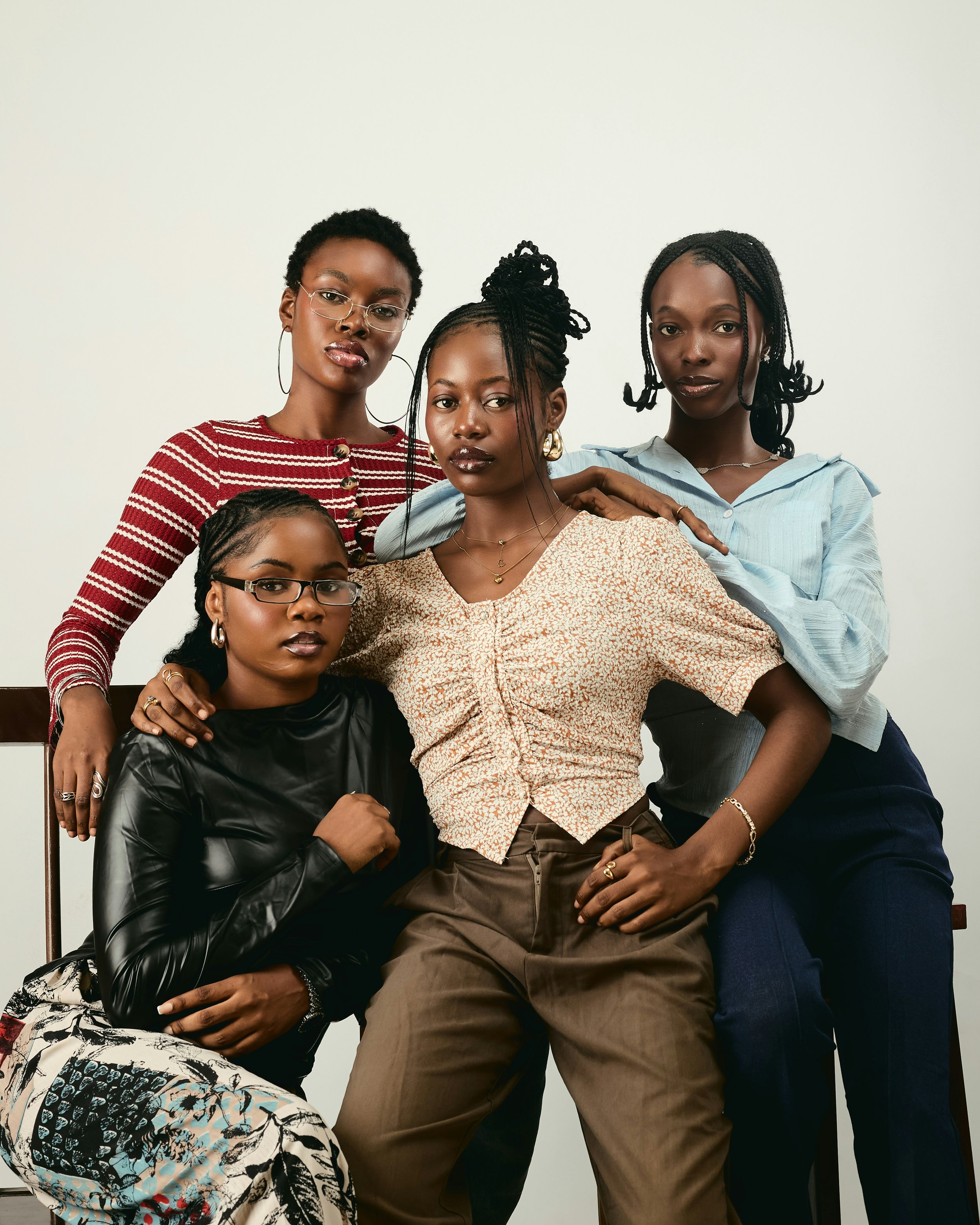
2. Protect their Rights
Guarantee equitable access to comprehensive reproductive, maternal and newborn health care.
3. Enable Choice
Ensure every woman and adolescent can access trusted information, contraception and respectful care without stigma, discrimination or coercion.
Campaign Essentials
Date: Saturday, 26 September 2026
Primary hashtag:
#OnHerSide
#WorldContraceptionDay
Supporting Hashtags:
#WCD
#FamilyPlanning
#ReproductiveHealth
#ContraceptionMatters
#IDecide
Accounts to Tag:
Tagging partners and leaders where possible, extends reach:
On Her Side Africa - @onherside.africa
Global Health Strategies - @globalhealthstrategies
Ministry of Health, Kenya - @MOH_Kenya
Council of Governors - @KenyaGovernors
Frontier Counties Development Council (FCDC) - @FCDCKenya
Faith to Action Network - @FaithtoActionet
National Council for Population and Development (NCPD) - @NCPD_Kenya
UNFPA Kenya - @UNFPAKen
WHO Kenya - @WHOKenya
APHRC - @aphrc
Amref - @Amref_worldwide
UNICEF - @UNICEF
Personalise each post i.e., add your personal take or your organisation's voice, a local example or a short quote from a leader, and your logo on the graphics.
Partner with us:
Use the hashtag #OnHerSide on every post, which ensures that all partner activity is connected under the same campaign.
Collaborate with us on posts and accept our collaboration requests, ensuring all our joint efforts attract the reach we need to spread the message.
Post the content on the day of the campaign to ensure sustained engagement for this campaign on the day it matters most, and sustain engagement by sharing posts on stories, replying to comments, reposting content from other champions and other activities that ensure that we have as many eyes on this important issue.
Pair each post with its graphic to improve reach and visibility.
Speak from the heart, highlight your personal insights and explain to your audience why women’s reproductive choice should be a priority for Kenya.
How to use this toolkit
Messages
General Posts

X/Twitter
Nearly 1 in 5 women in Africa who want to avoid pregnancy aren't using modern contraception, leaving them unable to make their preferred choice for their bodies and their future. This #WCD we are #OnHerSide to affirm her right to decide.
LinkedIn/Facebook
Across Africa, the average unmet need for family planning sits at around 22%. That means close to one in five women who want to avoid or delay pregnancy are not using a modern contraceptive method, and while in Kenya, the unmet need is relatively lower at 14% when compared to other countries, it remains higher than the missed national target of reducing it to 10% by 2025.
Unmet need for contraception can result in unintended pregnancies and preventable maternal deaths. UNFPA estimates that in 2024, contraceptives supplied through its programmes prevented 18 million unintended pregnanciesand 39,000 maternal deaths globally.
Kenya has made real progress, but the work is far from finished. #OnHerSide is calling for the investment and political will needed to close this gap. #WorldContraceptionDay

LinkedIn/Facebook
Kenya has made real progress in contraceptive use. Modern contraceptive use among married women rose from 32% in 2003 to 57% in 2022. Yet there is still room to strengthen how couples share responsibility for contraceptive decisions. In 2022, half of married women reported making these decisions jointly with their husbands, 42% made the decision themselves, and in 7% of cases, the husband made the decision.
This #WorldContraceptionDay, #OnHerSide is highlighting the important role men can play as informed, present and supportive partners in reproductive health.
Being #OnHerSide means having the knowledge to have honest conversations about modern contraception, participating in decisions that affect your shared future, and supporting your partner to make informed choices about the best method of choice for her health and body.

X/Twitter
Modern contraceptive use among married Kenyan women rose from 32% in 2003 to 57% in 2022. Unmet need dropped from 27% to 14% since 1993. Though this is progress, we are far from the finish line. We are #OnHerSide standing for increased access to contraception to meet the burden.
LinkedIn/Facebook
Kenya's family planning progress is worth celebrating. Modern contraceptive use among married women rose from 32% in 2003 to 57% in 2022. Unmet need for family planning, that is the number of women who want to delay or stop having children but are not currently using any method of contraception, dropped from 35% to 14% between 1993 and 2022.
These gains reflect years of investment in health systems, community outreach and policy commitment, but work remains to be done until every woman can get the information and services she needs to plan her future.
Cost, availability, side-effect concerns and misinformation remain real barriers, among others.
#OnHerSide is marking #WorldContraceptionDay by recognizing how far Kenya has come, while also recognizing that more work needs to be done.

X/Twitter
Being an involved partner means expanding a woman's contraceptive options, and supporting her to make an informed choice. Support isn't control. This #WCD we are #OnHerSide. Are you?
LinkedIn/Facebook
Male engagement in contraception should expand a woman's support system and make it easier for her to access the method that works for her, including long acting reversible methods like implants and IUDs. For too many women, these remain out of reach, not by choice but because of stockouts, distance to a facility, cost, provider bias, and the misinformation and stigma that discourage women from seeking them out in the first place. Male engagement should never be used to limit her choices.
An informed man knows how to stand beside his partner, listen when she raises concerns about side effects, support her if she decides to change methods, and understand that her contraceptive needs shift over time as her circumstances change. Being #OnHerSide also means recognizing that access is not guaranteed, and standing up for the systems that make her choice possible in the first place.
That is what it means for men to be #OnHerSide. #WCD

X/Twitter
Contraception isn't a woman's job alone, & it is not shameful for men to participate in discussions on the different methods available. Using contraception isn't a sign of infidelity, it is a smart way to plan for a successful future and a healthy family. Men who are #OnHerSide need to tackle misinformation and hold each other accountable.
LinkedIn/Facebook
Some of the biggest barriers to contraceptive use are not clinical, they are social. Misinformation travels fast, and it shapes women’s access to and uptake of modern contraception.
A few lines still circulate often. Contraception is called a woman's responsibility, a barrier to future fertility and more.
Correcting these myths starts with men having enough accurate information to speak up among their peers, not only in their own relationships.
This #WorldContraceptionDay, we call upon men to stand